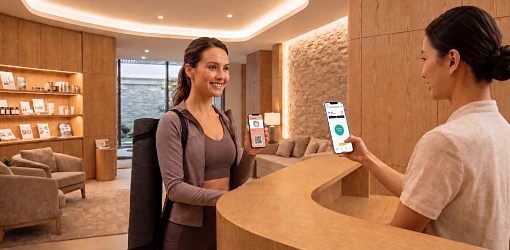







Best practices for loyalty programs
How to set up a loyalty program and cards for long-term success
-
 15. 7. 2026
-
 6 minutes to read
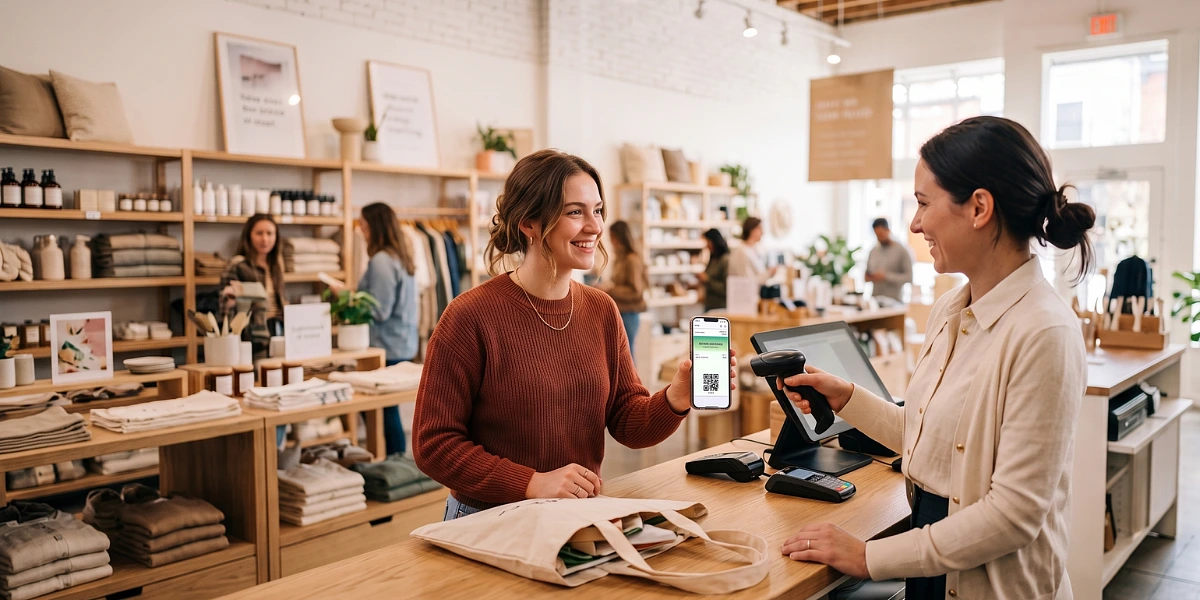
A loyalty program gives brands space for customer retention, tracking their purchasing behavior, and direct communication. The program usually includes a customer card, which allows the customer to be identified when making a purchase at a physical store.
The extent to which customers actually use the program is decided by a combination of three things: what the program actually offers them, how easy it is to join, and what is required of them when using it.
Most programs ask the customer to identify themselves at the checkout. A plastic card acts as a shortcut for identification, but only when the customer actually has it with them. In practice, people often don't carry them because they take up space in an overstuffed wallet or they simply forget them at home. Another common identification method is a registration email. The customer dictates it at the checkout, which brings its own problems: a dictated email can easily be mistyped, and even a few extra seconds delay the queue behind them.
A digital card doesn't take up space in a wallet or a phone, the customer doesn't have to think about it or look for it, and it works offline too. It offers brands many more possibilities for working with the customer. The card's content can be changed in real-time, so the customer sees the current point balance or benefit validity without needing to open an app. The card can send notifications directly to the phone's wallet, including those triggered by location when the customer is near a store. The design and content of the card can be personalized according to the customer segment, and the company can see exactly how many people are actually using the card. All card functions can be found in this article.
Based on the experiences of hundreds of clients, not just in retail, we have written down what successful programs have in common. We have divided it into three areas: the program itself, how to get people into the program, and how to fully utilize the cards. At the end, you will find a downloadable checklist that you can go through step by step for your own program.
1. How to set up a loyalty program
The most common mistake is a program that is unnecessarily complicated. If the customer doesn't see a clear benefit at first glance, they have no reason to register. The same applies in reverse: the simpler the program, the higher the registration and repeat usage rates.
How to motivate customers to register:
- Attractive sign-up benefit. For example, a one-time 20% discount for registration works better than promises of future benefits.
- Clear rules and benefits. The customer must be able to easily find out what they will gain by registering. If the program needs to be explained in three paragraphs, it might be too complex.
- Sustainability. Benefits must make sense in the long term, not just for the first purchase.
- Exclusive benefits for cardholders. Better prices, special offers, or VIP events available only with the card give customers a reason to use the card regularly.
- Motivation for repeat purchases. Rewards, points, or stamps whose value increases with each subsequent visit or purchase work best.
2. How to bring the program and cards closer to the customer
Even the best program doesn't work if people can't access it. A digital card has an advantage over a plastic one; registration takes a few minutes, and there's no waiting for delivery or filling out information at the store. Communication about the program itself is equally important.
What to focus on:
- Quick and easy registration. The fewer details a customer fills in, the higher the chance they will complete the registration. Usually, name and email are sufficient.
- Highly visible registration on the website. The link to the form and the call to register should be easily accessible, ideally on the homepage or in the main menu.
- On-site registration. QR codes at checkouts, at the entrance, or in fitting rooms allow customers to sign up during their visit.
- Regular program communication. Regularly remind customers of the loyalty program's benefits on the website, social media, and other communication channels.
- Instant card delivery. The customer should receive the digital card immediately after registration, along with simple instructions on how to save it to their phone.
- Registration available at every touchpoint with the brand. QR codes on receipts, in emails, or other materials make it easier to join the program.
- Dedicated landing page. A clear page dedicated to the loyalty program increases conversions and also supports SEO.
3. Active work with the digital card
This is where it's decided whether customers will use the card or if it will end up forgotten. Registration is the first step; the value of the program is revealed in how the brand continues to work with customers.
How to fully utilize the potential of loyalty programs and cards:
- Notifications. A direct path to the customer's screen increases the chance that the message will actually be seen.
- Utilized back of the card. Contains important information, links, and current offers in one place.
- In-store support. Visible promotion helps reach customers who don't follow the brand online.
- Smart segmentation. Personalized and location-based notifications deliver the right message at the right time.
- Regular program communication. Remind customers about promotions, discounts, and benefits regularly so they don't forget about the program.
- Employee engagement. Trained and motivated staff actively recommend the loyalty program and help customers with registration.
- Personalized offers. Tailored offers achieve better results than the same promotions for everyone.
- Reactivation of inactive customers. Regular communication helps bring customers back.
- Limited-time offers. FOMO campaigns motivate customers to act immediately.
Final tips for long-term success
What is easily overlooked but can help a lot:
- Attractive card design. A digital card is part of the brand in the customer's phone, and its appearance is worth adapting continuously, for example, according to the season or campaigns.
- Part of the customer journey. The loyalty program should be integrated with the entire customer journey, not function as a standalone project.
- Regular optimization. It is worthwhile to continuously test benefits, campaigns, and communication channels to find out what works best.
- Program gamification. Levels, badges, or goals motivate customers to engage more and make repeat purchases.
Summary
A successful loyalty program needs three things: a simple and understandable concept, barrier-free registration, and active communication that keeps the customer informed. If any one of these is missing, the program usually won't reach its potential, no matter how attractive the benefit is.
We have prepared a practical checklist for you. Download it and you can go through your loyalty program step by step.
Download a checklist for your loyalty program